

Nitrile & Latex Gloves | Professional Piercing Exam Gloves
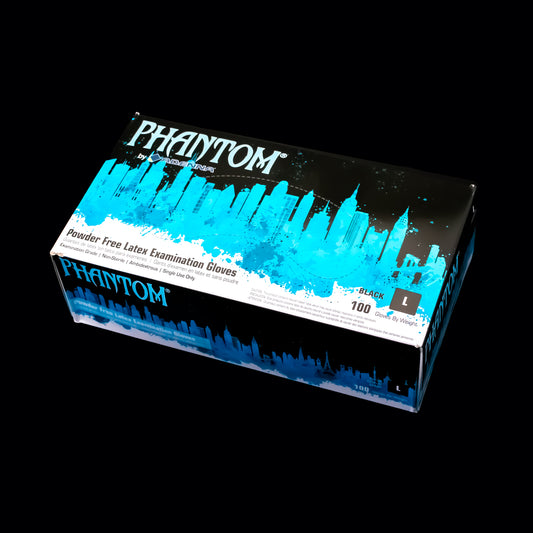
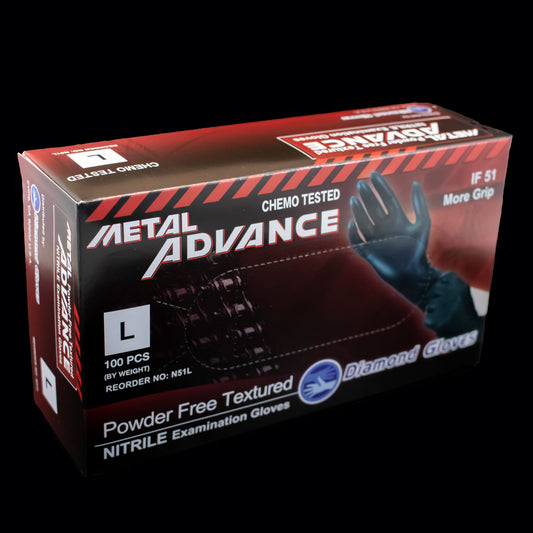
Professional-grade nitrile and latex exam gloves designed specifically for body piercing barrier protection. Our collection features both latex-free nitrile gloves (ideal for allergy concerns and superior puncture resistance) and premium latex gloves (exceptional tactile sensitivity and comfort). All gloves are powder-free, exam-grade quality, and meet APP infection control standards. Available in multiple mil thicknesses (3-mil to 6-mil) and full size ranges (XS-XL). Choose from boxes of 100 or cost-effective cases for high-volume studios. FDA-cleared and trusted by professional piercers nationwide for reliable protection during piercing procedures, setup, and aftercare consultations.
Nitrile vs Latex Gloves: Complete Comparison for Body Piercers
When choosing gloves for professional body piercing, the two main options are nitrile and latex gloves. Both provide reliable barrier protection, but they differ in durability, allergy risk, and tactile feel.
Nitrile gloves are made from synthetic rubber, making them completely latex-free and hypoallergenic. They offer excellent puncture resistance, durability, and strong chemical resistance, including protection against disinfectants and petroleum-based products. Because of their strength and safety, nitrile gloves are widely preferred for general studio use and procedures requiring high durability.
Latex gloves, made from natural rubber, are known for their superior tactile sensitivity and flexible “second-skin” feel. This allows for precise control during delicate procedures. However, latex contains natural proteins that can cause allergic reactions, and the material is generally less resistant to chemicals and tearing than nitrile.
Overall, nitrile gloves are the most versatile and allergy-safe option, while latex gloves are favored by piercers who prioritize maximum touch sensitivity.
The Critical Consideration: Allergy Risk
Latex allergies affect 8-17% of healthcare workers and 1-6% of the general population. For professional piercers, this creates dual concerns: personal allergy risk and client safety. Latex allergies can develop suddenly, even after years of exposure. Symptoms range from mild skin irritation to severe anaphylactic reactions. Many studios have transitioned entirely to nitrile gloves to eliminate this variable, aligning with APP best practices.
Professional Recommendation
Most modern piercing studios choose nitrile gloves as their standard due to latex-free safety, superior durability, and universal client compatibility. Whilst latex gloves offer exceptional tactile sensitivity, modern high-quality nitrile gloves have significantly narrowed this gap and provide adequate sensitivity for all standard piercing procedures.
Why Nitrile Gloves Are Ideal for Body Piercing
Latex-Free Protection for Universal Safety
The most compelling reason professional piercers choose nitrile gloves is the elimination of latex allergy risk. By using nitrile gloves exclusively, studios protect both piercers (who wear gloves constantly) and clients (who may have unknown latex sensitivities). This "universal precaution" approach aligns with APP best practices and eliminates significant liability concerns.
Superior Puncture & Tear Resistance
Body piercing involves handling sharp hollow needles, jewellery with sharp threading, and various pointed tools. Nitrile gloves offer 3x greater puncture and tear resistance compared to latex. This durability matters during needle handling and manipulation, threading jewellery through fresh piercings, working with receiving tubes and forceps, and handling jewellery with threaded ends. Fewer accidental glove tears means reduced re-gloving interruptions and maintained sterile field integrity.
Chemical & Disinfectant Resistance
Professional piercing studios use numerous chemical solutions: alcohol-based antiseptics, disinfecting sprays, surface cleaners, and aftercare products. Nitrile gloves offer superior chemical resistance compared to latex, which can degrade when exposed to petroleum-based products and certain solvents. This resistance ensures glove integrity remains consistent throughout pre-piercing antiseptic application, post-piercing cleanup, and equipment surface cleaning.
Professional Appearance & Confidence
Modern nitrile exam gloves come in various professional colours—black, purple, blue. Black nitrile gloves, particularly popular in piercing studios, hide blood and ink stains better than lighter colours, maintaining a clean professional appearance throughout long shifts. Many clients associate nitrile gloves with "medical-grade" care, reinforcing perception of professional standards.
When Latex Gloves May Be Preferred
Unmatched Tactile Sensitivity
Some experienced piercers prefer latex gloves for their superior tactile sensitivity. Natural rubber latex provides a "second skin" feel valuable during extremely precise cartilage piercings requiring exact depth control, surface piercings where tactile feedback prevents overpenetration, and working with very small jewellery components. However, modern high-quality nitrile gloves have significantly narrowed this sensitivity gap.
Cost Considerations
Latex gloves typically cost 20-40% less per unit than nitrile gloves. For studios performing very high volumes (200+ piercings monthly), this cost difference can impact supply budgets. However, nitrile's superior durability often offsets the higher per-glove cost through fewer gloves torn during use and reduced risk of allergy-related complications. Most professional piercers conclude that nitrile's safety benefits justify the modest cost premium.
Important Latex Glove Considerations
If choosing latex gloves, professional piercers must screen all clients for latex allergies and keep nitrile gloves available for allergic clients. Monitor personal sensitivity for developing latex allergy symptoms. Choose powder-free options only, as powdered latex gloves have higher allergen exposure and can contaminate piercing sites. Verify gloves are exam-grade with FDA clearance. Many studios find maintaining dual inventory more complex than switching entirely to nitrile.
Understanding Glove Specifications for Piercing
Mil Thickness & Puncture Protection
Glove thickness is measured in "mils" (1 mil = 0.001 inch):
- 3-Mil Gloves - Lightweight, high dexterity. Best for administrative tasks, not recommended for needle handling.
- 4-Mil Gloves - Standard exam grade. Best for most piercing procedures, balances protection and tactile sensitivity.
- 5-6-Mil Gloves - Heavy-duty. Best for large-gauge piercings (8g-00g), heavy cleanup, autoclave handling.
Most professional piercers use 4-mil gloves as their standard.
Powder-Free vs. Powdered Gloves
Modern professional standards strongly favour powder-free gloves. Powder-free gloves contain no cornstarch powder that could contaminate piercing sites, reduce airborne allergen particles, and are APP-compliant. All gloves for body piercing should be powder-free, regardless of material choice.
Glove Sizing Guide
Proper glove fit is critical. Measure hand circumference at the widest point (across knuckles):
- X-Small: <7" hand circumference
- Small: 7-8" hand circumference
- Medium: 8-9" hand circumference
- Large: 9-10" hand circumference
- X-Large: >10" hand circumference
Gloves should fit snugly without being tight, with no excess material at fingertips. Most exam gloves are ambidextrous.
Proper Glove Use for Infection Control
When to Change Gloves During Procedures
Change gloves after washing hands before procedures, immediately if gloves tear or puncture, when touching non-sterile surfaces, with visible contamination from blood or fluids, when switching between clients, and before touching payment terminals or handling aftercare documentation. Many professional piercers use a "double glove" technique for high-risk procedures.
Proper Glove Removal Technique
Use the CDC-recommended technique: Pinch outside of one glove near wrist with opposite gloved hand, peel away turning glove inside-out, hold removed glove in gloved hand, slide bare fingers under wrist of remaining glove, peel off from inside creating a bag containing the first glove, dispose in waste container, and wash hands immediately. Never touch bare skin with contaminated glove exterior or reuse disposable gloves.
Glove Storage & Expiration
Store in cool, dry location away from direct sunlight, keep in original packaging until use, check expiration dates (typically 3-5 years), avoid storage near chemicals, maintain organised FIFO inventory, inspect gloves before use for tears, and discard boxes if packaging is damaged.
Calculating Glove Needs for Your Studio
Basic Calculation:
- Average piercings per month × 3 gloves per piercing
- +30% for non-piercing use
- +15% safety margin
Example: Studio performing 150 piercings monthly:
- 150 × 3 = 450 gloves
- +30% = 585 gloves
- +15% = 673 gloves per month
- Order 700-750 gloves monthly (7-8 boxes of 100)
Bulk Purchasing: Cases of 1000 gloves typically save 20-30% versus individual boxes, reduce shipping frequency, and ensure you never run out. Multi-piercer studios should account for varying sizes—most find 60-70% Medium, 20% Large, 10% Small distribution.
APP Compliance & Professional Standards
The Association of Professional Piercers requires medical-grade exam gloves for all piercing procedures, powder-free gloves are mandatory, single-use disposable gloves only (no washing/reusing), new gloves for each client, and gloves changed when contaminated. Ensure gloves are FDA-cleared medical devices with testing for viral penetration resistance and quality manufacturing standards. Maintain documentation for health department compliance verification.
Why Professional Piercers Choose Obsidian Needles for Gloves
Exam-Grade Quality Assurance: Every glove we carry is exam-grade quality with FDA clearance. Our nitrile gloves meet ASTM D6319 standards; latex gloves meet ASTM D3578 standards.
Full Size Range Availability: We maintain complete size ranges (XS-XL) in stock for both nitrile and latex options.
Competitive Bulk Pricing: Our case pricing (1000-glove quantities) delivers genuine cost savings, often beating Amazon prices when comparing equivalent quality grades.
Fast, Reliable US Shipping: Orders ship within 24 business hours with delivery to most US locations within 3-5 business days.
Complete Supply Ecosystem: Beyond gloves, we carry the full professional piercing setup: needles, forceps, receiving tubes, cork, skin markers, sterilisation supplies, and aftercare products.
Expert Support: Our customer service team includes experienced body piercing professionals who provide knowledgeable support.
Frequently Asked Questions About Piercing Gloves
Q: How many gloves does a piercing studio use monthly?
Calculate: (monthly piercings × 3 gloves) + 30% for non-piercing use + 15% safety margin. Example: 150 piercings/month = approximately 700-750 gloves needed.
Q: What's the difference between exam-grade and industrial-grade gloves?
Exam-grade gloves are FDA-cleared medical devices tested for viral penetration resistance. Industrial-grade gloves lack FDA clearance and don't meet health department or APP requirements for body piercing.
Q: Do you offer bulk pricing on glove cases?
Yes. Cases of 1000 gloves save 20-30% compared to individual 100-count boxes, providing excellent value for studios performing 100+ piercings monthly.
Stock your professional piercing studio with reliable, high-quality nitrile and latex exam gloves from Obsidian Needles. Whether you need latex-free nitrile gloves for universal allergy protection or premium latex gloves for exceptional sensitivity, we carry exam-grade options trusted by professional piercers nationwide. Available in full size ranges, multiple mil thicknesses, and cost-effective bulk cases. All gloves are powder-free and APP-compliant. Questions about choosing between nitrile vs latex for your studio? Our expert team is here to help.